Tree Canopy Thinning in Allentown, PA
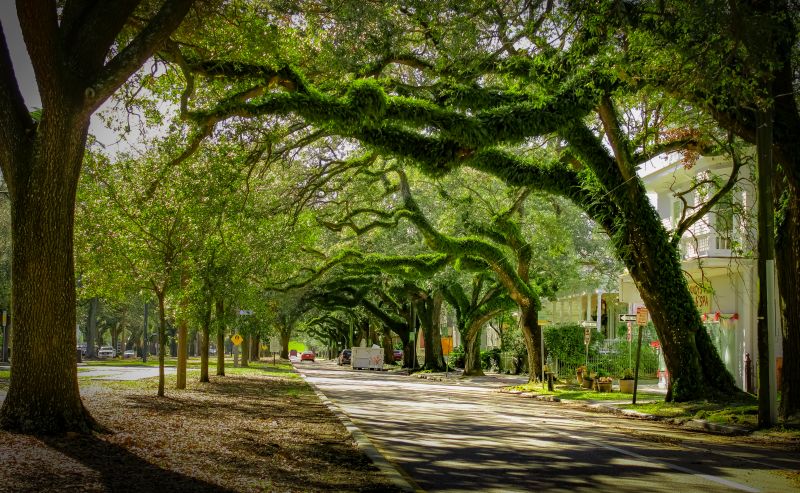
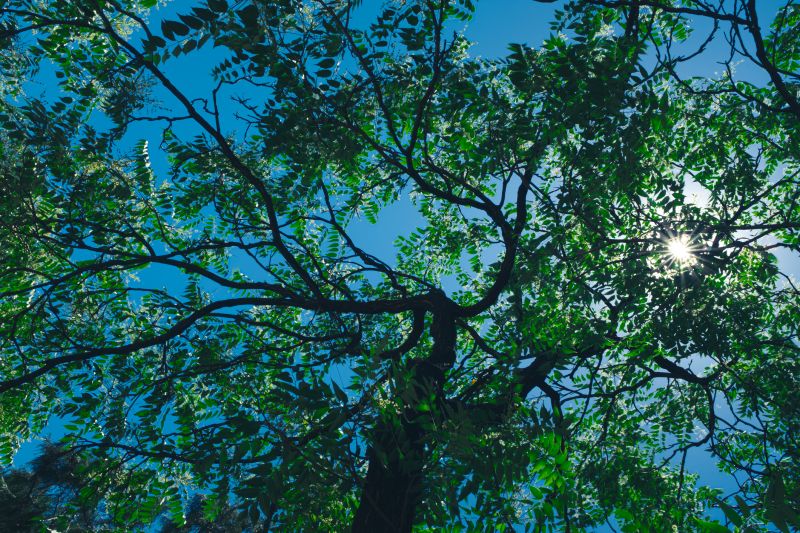
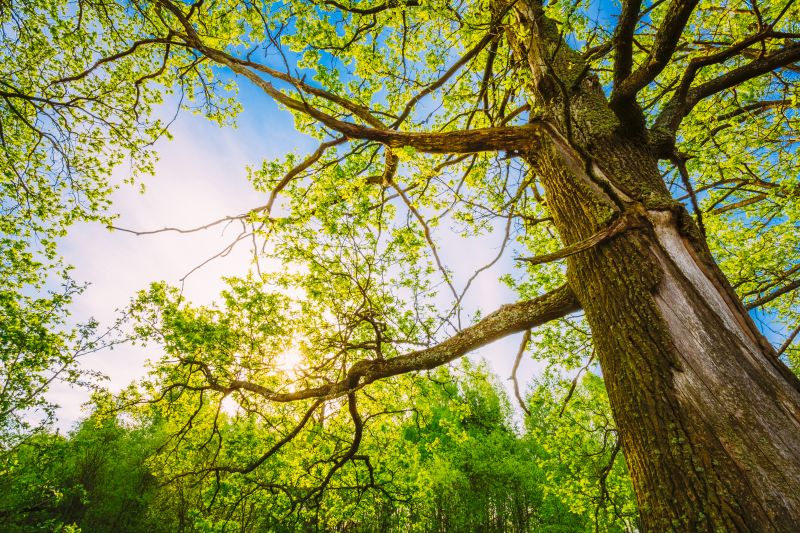
Tree canopy thinning services involve selectively removing branches or limbs from existing trees to improve overall health, safety, and aesthetic appeal. This process is often requested for projects such as reducing dense foliage that blocks sunlight, preventing overgrown branches from interfering with structures or power lines, or enhancing the tree’s shape and growth pattern. Property owners typically seek this service to maintain a balanced canopy, promote healthier tree development, and reduce the risk of fallen limbs during storms or high winds.
Before requesting tree canopy thinning, property owners should consider the current condition and species of their trees, as well as the specific goals for the project. Understanding the desired outcome-whether for safety, appearance, or health-can help determine the appropriate extent of thinning. It’s also helpful to know if there are any local regulations or restrictions regarding tree modifications, and to evaluate the potential impact on the surrounding landscape and nearby structures. Proper planning ensures the thinning process supports the long-term vitality and safety of the trees and property.
Many property owners in Allentown, PA look into Tree Canopy Thinning for repairs, replacements, upgrades, and appearance-related improvements.
Tree Canopy Thinning Benefits
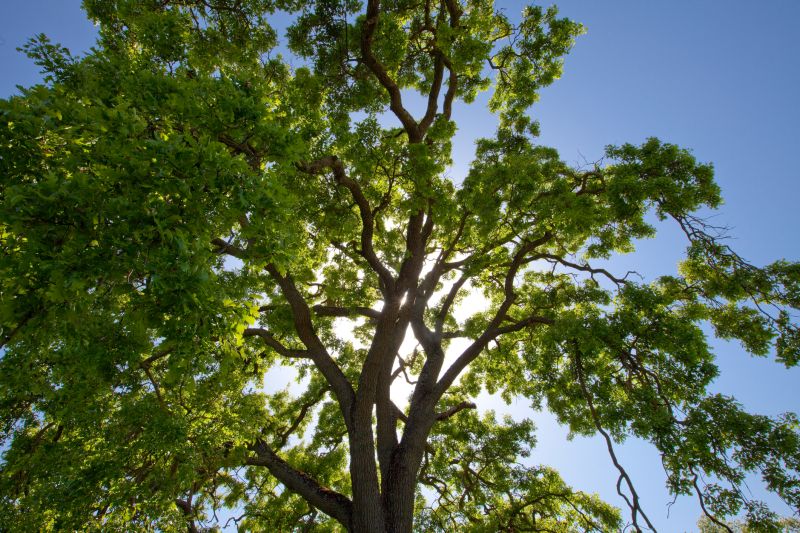
Thinning can improve sunlight penetration and air circulation for healthier trees and landscapes.
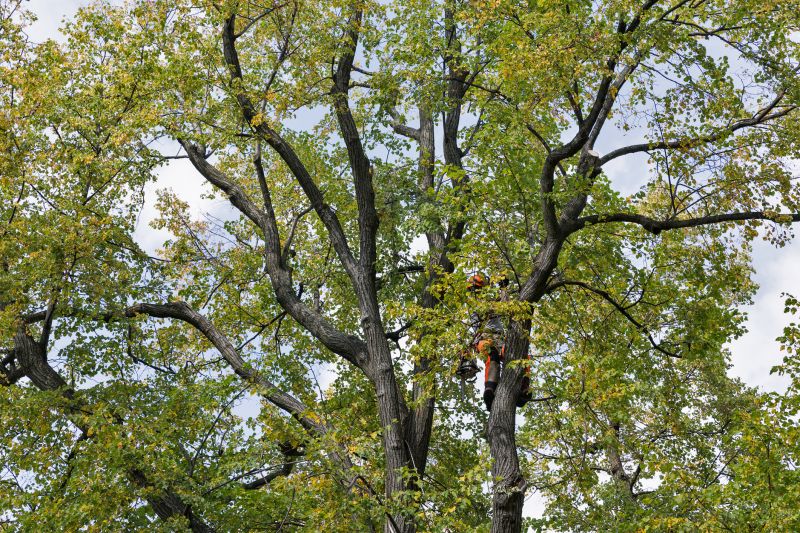
Common Reasons For Thinning
Property owners often request thinning to reduce weight, remove dead branches, or enhance tree safety.
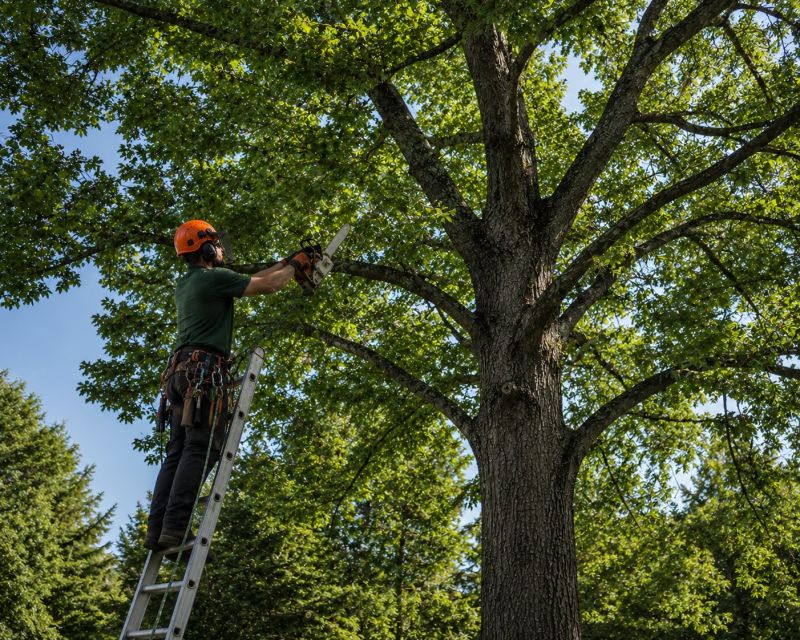
What To Expect During Service
The process involves carefully removing select branches to maintain tree health and structural integrity.
Tree Canopy Thinning in Allentown, PA
Tree canopy thinning services involve selectively removing branches or limbs from existing trees to improve overall health, safety, and aesthetic appeal. This process is often requested for projects such as reducing dense foliage that blocks sunlight, preventing overgrown branches from interfering with structures or power lines, or enhancing the tree’s shape and growth pattern. Property owners typically seek this service to maintain a balanced canopy, promote healthier tree development, and reduce the risk of fallen limbs during storms or high winds.
Before requesting tree canopy thinning, property owners should consider the current condition and species of their trees, as well as the specific goals for the project. Understanding the desired outcome-whether for safety, appearance, or health-can help determine the appropriate extent of thinning. It’s also helpful to know if there are any local regulations or restrictions regarding tree modifications, and to evaluate the potential impact on the surrounding landscape and nearby structures. Proper planning ensures the thinning process supports the long-term vitality and safety of the trees and property.
Many property owners in Allentown, PA look into Tree Canopy Thinning for repairs, replacements, upgrades, and appearance-related improvements.
Common Tree Canopy Thinning Jobs
Tree Canopy Thinning - selective removal of branches to reduce canopy density and improve tree health.
Tree Crown Reduction - reducing the overall size of the tree's canopy to prevent interference with structures or power lines.
Selective Branch Removal - removing specific branches to improve air circulation and sunlight penetration.
Overgrown Canopy Management - thinning thick canopies to reduce weight and minimize storm damage risk.
Tree Lightening - reducing canopy density to allow more light to reach the ground and underlying plants.
Hazard Tree Thinning - removing or thinning branches on damaged or weak trees to prevent breakage and property damage.
Tree Canopy Thinning Questions
What is tree canopy thinning? Tree canopy thinning involves selectively removing branches to improve tree health, reduce weight, and allow more light to reach the ground.
When is the best time for canopy thinning? The ideal time for canopy thinning is during the dormant season, typically late winter to early spring, before new growth begins.
What are common reasons to request canopy thinning? Property owners often seek canopy thinning to prevent storm damage, improve air circulation, or manage tree size in confined spaces.
Will canopy thinning harm the tree? When performed properly, canopy thinning can promote healthier growth and reduce the risk of branch failure.
Request Tree Canopy Thinning in Allentown, PA
Use the quote form on this page to share the basics of your project and request more information for the type of work you need.